🦵 Not sure what's causing it? Take the 5-question knee quiz.
Find My Pattern →Knee Pain When Riding a Bike Outdoors
You make it through the first few miles fine. The weather's good, your legs feel strong, and then somewhere around mile eight or nine, a dull ache settles into the inside of your knee. It's not sharp enough to stop you immediately, but it's there—persistent, annoying, growing with each pedal stroke. By the time you're heading home, you're gritting your teeth through descents, and the next morning your knee feels stiff in a way that's completely different from normal muscle tiredness. That's when the doubt creeps in: can you even keep doing this, or is cycling becoming something your body won't tolerate anymore?
Why outdoor cycling creates different knee stress than you might expect
🦵 Not sure what's causing your knee pain?
Answer 5 quick questions and get a personalised result.
Find My Pattern → 60 seconds · No sign-upOutdoor riding demands something stationary bikes never do—constant micro-adjustments to terrain, wind resistance, and uneven surfaces. Your knee isn't just moving in one smooth plane. Every pothole, every slight incline shift, every time you brake hard on a descent sends small forces through your knee joint that your body has to compensate for.
The repetitive nature of pedaling can strain the tissues around your knee, particularly if your leg mechanics aren't perfectly aligned. When you're riding outdoors, fatigue sets in differently too. You might start with good form, but as your legs tire, your hips drop slightly, your knees drift inward, and suddenly the angle of force through your knee changes. That's often when the pain appears—not at the beginning of the ride, but partway through when form breaks down.
Cold weather can also play a role that many riders overlook. When you're cycling in cooler conditions, your muscles and connective tissues don't warm up as quickly or as thoroughly as they would indoors. Your knee might feel fine for the first few miles, then stiffen as the cold affects blood flow and tissue elasticity. Some riders notice pain emerges faster in spring or fall than in summer, even on the same route.
Hills present their own challenge. Climbing requires sustained force through your quads, but descending is where many people feel the sharpest discomfort. The eccentric loading—your muscles lengthening while they're working—can irritate structures around the knee, especially if you're braking hard or not trusting your legs to control the descent smoothly.
Small changes that can ease the pain
Start by examining your cadence. If you're pushing a high gear at a low pedal speed (say, 60-70 revolutions per minute), you're asking your knee to produce more force with each stroke. Try shifting into an easier gear and spinning faster—aiming for 85-95 RPM. This reduces the load on your knee with each pedal stroke, even though you're doing the same work overall. It feels strange at first, but many riders notice discomfort decreases noticeably within a few rides.
Pay attention to how you brake and descend. Braking hard and suddenly stiffens your leg and sends a jolt through your knee. Instead, try feathering your brakes—lighter, earlier braking that lets you coast more and keeps your leg moving smoothly. On descents, trust your leg muscles to control your speed rather than relying on the brakes. This keeps your knee moving through its natural range and prevents that jarring sensation.
Warm up differently for outdoor riding than you might for a stationary bike. Spend 10-15 minutes at an easy pace before you pick up speed. In cooler weather, consider wearing leg warmers or tights to help your knee stay warm and loose. The tissues around your knee respond better when they're warm, and you may notice pain takes longer to appear—or doesn't appear at all—when you've given yourself a proper warm-up.
Consider the surface you're riding on. Smooth pavement is gentler on your knee than rough, uneven terrain. If you're riding gravel or potholed roads, your knee is absorbing more impact and making more corrections. You might feel pain sooner on rough surfaces. If possible, choose smoother routes while you're managing pain, and save technical terrain for when you're feeling stronger. This pattern is related to knee pain from cycling long distance outdoors, and the same management principles often apply.
Take a day off between rides, especially if you're riding outdoors several times a week. Outdoor cycling is more demanding on your body than many people realize. Your knee needs recovery time, not just rest. Riding through pain every day often makes things worse, not better.
When professional help becomes necessary
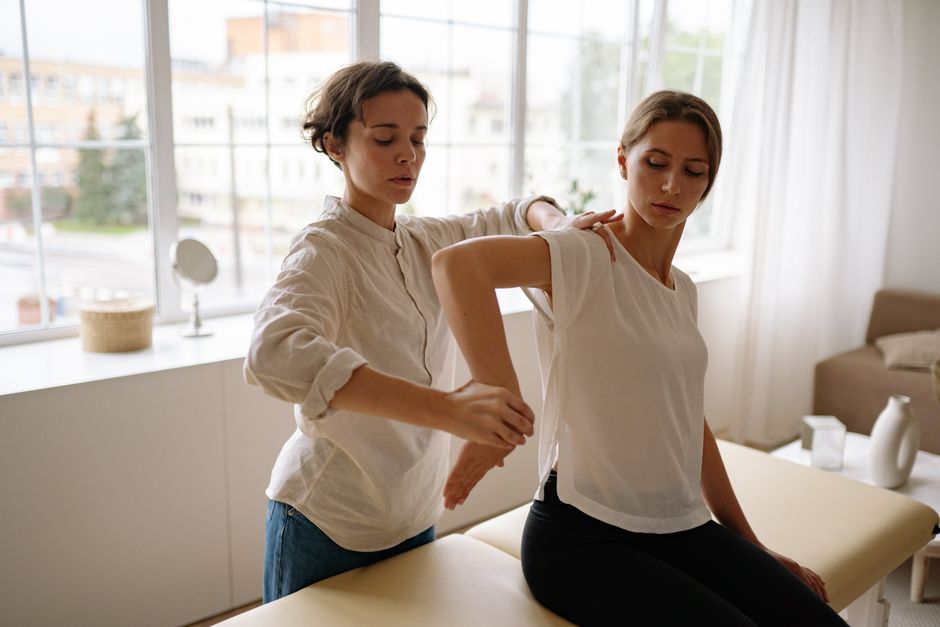
If the pain is sharp rather than dull, if it's accompanied by swelling, or if it's affecting your ability to ride comfortably after several weeks of adjustments, a professional assessment is worth pursuing. A physical therapist or sports medicine doctor can watch you ride (or watch your pedaling mechanics on a bike) and identify specific form issues that you can't see yourself. They can also rule out underlying structural problems that need attention.
The frustration of losing a sport mid-season is real, and it's tempting to push through and hope it resolves on its own. But catching knee issues early often means you can keep riding—just smarter—rather than stopping altogether.
Safety note: If you have severe pain, significant swelling, a recent injury, fever, numbness, or difficulty bearing weight, speak with a qualified healthcare professional promptly.
Frequently Asked Questions
Q: Can I still walk normally when I have knee pain when riding a bike outdoors?
A: Many people manage normal walking despite this kind of discomfort. If walking causes you to limp or noticeably change your gait, though, that's worth addressing — compensating patterns often create new problems in the hips, lower back, or opposite knee over time.
Q: How long does knee pain when riding a bike outdoors usually last?
A: This varies a lot depending on the cause. Minor muscle strain or overuse tends to settle within a few days to two weeks with appropriate rest and gentle movement. If it hasn't improved after three weeks — or symptoms are worsening — that's a clear signal to get a professional opinion.
Q: When should I stop exercising because of knee pain when riding a bike outdoors?
A: Stop if the pain is sharp, climbing steadily during exercise, or causing you to change how you move. Mild, stable discomfort that stays at a 2 to 3 out of 10 is often acceptable to work through gently. Anything above that — or pain that simply feels wrong — is your cue to stop and reassess.
One Thing to Try First
Most people who take early, sensible action recover well. Start with what you can manage today and monitor closely. If things are not improving after a few weeks, that is the right time to bring in professional support.
Helpful Next Step
As an Amazon Associate, we may earn from qualifying purchases. This does not affect the price you pay.
Helpful Support Option
If this discomfort shows up during daily walking or standing, a compression sleeve may help reduce load on the joint during movement while the underlying cause is addressed.
See walking knee support optionsHelpful Next Step
If gentle support helps during recovery, you can check a simple support option that many people use in daily life.
This content is for educational purposes only and does not constitute medical advice. Always consult a qualified healthcare professional for diagnosis and treatment.