🦵 Not sure what's causing it? Take the 5-question knee quiz.
Find My Pattern →Knee Pain When Getting Out of Car on Long Trip
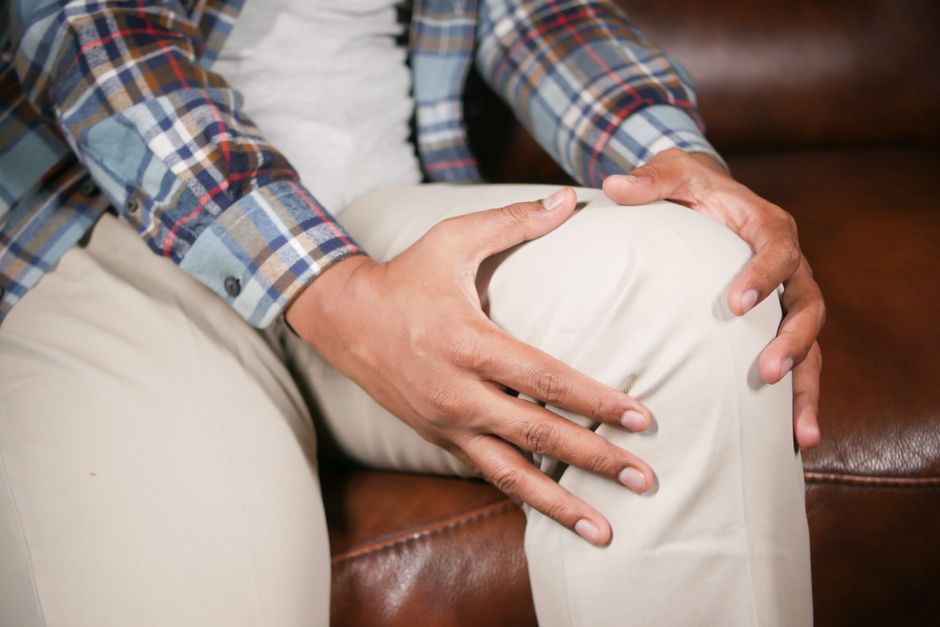
You're three hours into a road trip. The drive itself feels fine—no pain while sitting, no complaints from your knee. But the moment you unbuckle and shift your weight to stand up, something catches. It's sharp, or maybe just a tight lock that makes you pause before you can straighten all the way. You take a few steps toward the rest stop bathroom, and by step five the worst of it eases. But then you sit back down, and when you get out again at the next stop, it's there again—that same hesitation, that same split second where your body doesn't want to commit to standing.

By day two of a longer trip, you're bracing for it. The pain isn't worse, exactly, but it feels more predictable, more annoying. And that predictability makes you wonder if this is just how your knee works now, or if something is actually building up.
What's happening in that moment of standing
🦵 Not sure what's causing your knee pain?
Answer 5 quick questions and get a personalised result.
Find My Pattern → 60 seconds · No sign-upThe sharp or catching sensation you feel when transitioning from sitting to standing happens because your knee is moving through a range it hasn't used much in the last few hours. When you sit in a car seat for extended time, your knee stays bent at roughly the same angle. The muscles around your knee—particularly your quadriceps and the muscles on the back of your thigh—aren't working hard. They're in a shortened or partially relaxed state. For useful context, both knees stiff and sore when first getting up tends to have the same mechanical roots and overlapping solutions.
The instant you stand, those muscles need to fire up and lengthen quickly. If they're stiff or not firing evenly, your knee joint can feel unstable for that split second. Some people describe it as a catch or lock; others feel a sharp twinge on the inside or outside of the knee. The sensation often eases after a few steps because movement itself helps warm up the joint and get those muscles firing properly.
Car seat design plays a bigger role here than most people realize. A seat that's too low forces your hips higher than your knees, putting extra stress on your knee joint as you stand. A seat that reclines too far or pushes your legs forward can shorten your hip flexors and throw off the balance of muscles around your knee. The firmness of the seat also matters—a very soft seat lets your body sink in, which changes the angle your knee experiences during those hours of sitting.
There's also a compounding effect across multiple days. Pain or discomfort on day one doesn't disappear completely when you sit back down. The muscles stay slightly guarded, the joint stays slightly irritated. By day two or three, even if the pain isn't worse in absolute terms, your knee is more sensitive to that same transition. It takes less provocation to trigger the catch or stiffness.
Practical steps before and during your trip
Adjust your seat position before you leave. Spend a minute getting your seat height and angle right. Your hips should be roughly level with or slightly higher than your knees. Your seat shouldn't recline so far back that your legs extend straight out in front of you. This small change can reduce the shock your knee experiences when you stand.
Move every 90 minutes, not every two hours. The dull ache that creeps in around hour three often happens because you've gone too long without shifting position. Stop sooner. Get out, walk around for three to five minutes, and move your knee through its full range—bend it, straighten it, walk in a small circle. This keeps the muscles engaged and the joint from stiffening.
Before you stand at each stop, do a small pre-movement ritual. While still sitting, straighten your leg out in front of you and hold it for a few seconds. Rock your knee gently back and forth. Shift your weight side to side in the seat. These tiny movements wake up your muscles and prepare your knee for the transition. It sounds minor, but it can soften that sharp catch when you stand.
Avoid sitting right back down immediately after walking. That relief-then-return pattern—where pain eases after ten steps, then stiffness creeps back as you sit—happens because your muscles relax again. Walk a little longer than feels necessary. Get to the bathroom, splash water on your face, buy a coffee. Give your muscles five to ten minutes of activity before you sit again.
Consider a small pillow or rolled towel under your knee while driving. This supports the back of your knee and can reduce the amount of muscle work needed to keep your leg stable during long stretches of sitting. Some people find this makes the transition to standing noticeably easier.
When to check in with a professional
If the pain is sharp enough that you can't straighten your leg, or if it doesn't ease within a few minutes of walking, that's worth mentioning to a healthcare provider before your next long trip. If the pain is getting worse with each trip rather than staying the same, or if you notice swelling around your knee, that also warrants a conversation. If you also experience knee pain after long car journey, the two issues often share the same underlying cause.
Pain that only appears during car transitions but doesn't bother you during other activities (like walking around normally, climbing stairs, or exercising) often responds well to the adjustments above. But if the pain spreads to other activities, or if you start limping to compensate, that's a sign something needs professional attention.
Safety note: If you have severe pain, significant swelling, a recent injury, fever, numbness, or difficulty bearing weight, speak with a qualified healthcare professional promptly.
Frequently Asked Questions
Q: Can stretching help with knee pain when getting out of car on long trip?
A: Gentle stretching of the quadriceps, hamstrings, calves, and hip flexors can reduce the muscular tension that contributes to knee discomfort. A sustained, comfortable hold of 20 to 30 seconds is far more effective and safer than aggressive or bouncing stretches.
Q: When should I stop exercising because of knee pain when getting out of car on long trip?
A: Stop if the pain is sharp, climbing steadily during exercise, or causing you to change how you move. Mild, stable discomfort that stays at a 2 to 3 out of 10 is often acceptable to work through gently. Anything above that — or pain that simply feels wrong — is your cue to stop and reassess.
Q: Why does my knee feel worse after sitting for a long time?
A: This pattern — stiffness or pain after prolonged sitting that eases once you move around — is a hallmark of irritation around the kneecap or the soft tissues surrounding it. The joint stiffens in a flexed position, and the first movement disturbs it. Most people find it settles within a minute or two of walking.
One Thing to Try First
Most people who take early, sensible action recover well. Start with what you can manage today and monitor closely. If things are not improving after a few weeks, that is the right time to bring in professional support.
Helpful Next Step
As an Amazon Associate, we may earn from qualifying purchases. This does not affect the price you pay.
Helpful Support Option
If this type of knee discomfort shows up during or after prolonged sitting, light compression may help reduce stiffness and support the joint during movement.
See knee compression optionsHelpful Next Step
If gentle support helps during recovery, you can check a simple support option that many people use in daily life. For useful context, knee pain after sitting in car for hours tends to have the same mechanical roots and overlapping solutions.
This content is for educational purposes only and does not constitute medical advice. Always consult a qualified healthcare professional for diagnosis and treatment.