🦵 Not sure what's causing it? Take the 5-question knee quiz.
Find My Pattern →How Can I Help Someone Else Who Has Knee Pain With Their Daily Activities?
Watching someone you care about move carefully around the house—pausing before they stand up, gripping the bannister differently, or declining activities they used to enjoy—creates a particular kind of helplessness. You want to do something practical, but you're not sure what actually helps versus what might make things worse. The truth is, small, thoughtful adjustments to how someone approaches their day can make a real difference in their comfort and independence.
Understanding why daily activities become harder
🦵 Not sure what's causing your knee pain?
Answer 5 quick questions and get a personalised result.
Find My Pattern → 60 seconds · No sign-upKnee pain during everyday tasks usually happens for a few reasons, and recognizing which one applies can guide how you help.
When someone has inflammation in the knee joint—often from overuse, a past injury, or conditions like osteoarthritis—certain movements can irritate it further. Stairs, for instance, demand that the knee bend and straighten repeatedly while bearing weight, which can trigger pain hours later or even the next day. Climbing down is often worse than climbing up because the descent requires the muscles around the knee to control a slow lowering, placing different stress on the joint. For useful context, how can i track which daily activities make my knee worse tends to have the same mechanical roots and overlapping solutions.
Weak muscles around the knee (in the thigh and hip) mean the joint itself has to work harder to stabilize during movement. When someone's been avoiding activity because of pain, those supporting muscles can weaken over time, creating a cycle where normal activities feel harder.
Stiffness after rest is another pattern. Someone might feel fine first thing in the morning, but after sitting for an hour, standing up feels stiff and uncomfortable. The knee joint doesn't move smoothly at first, and it takes a few minutes of gentle movement before it loosens up.
Sometimes knee pain during daily tasks reflects how someone's moving—favoring one leg, twisting awkwardly to reach something, or tensing up because they're anticipating pain. These movement habits can actually increase stress on the knee even during simple activities.
Practical ways to support their daily routine
Help them move in smaller, gentler increments. If someone's struggling to stand up from a chair, suggest they scoot forward to the edge first, then push through their legs rather than their back. For stairs, encourage them to take one step at a time rather than rushing, and to hold the bannister firmly. These small changes reduce the sudden load on the knee. You can model this yourself—it normalizes moving carefully without making it feel like an accommodation.
Reduce the number of trips they need to make. If they're limping to the kitchen multiple times a day, help them gather what they need in one trip. Bring their phone, water, and a book to wherever they're settling for a while. This isn't about making them sedentary—it's about reducing unnecessary repetition that can aggravate their knee. Ask them what they typically reach for and have it closer to hand.
Adjust their environment for less bending and reaching. Lowering shelves, moving frequently used items to waist height, or bringing a small side table next to their chair can reduce how often they need to squat, bend deeply, or twist. These changes matter more than they might seem—a dozen small squats throughout the day adds up to real stress on an irritated knee.
Encourage movement that feels good to them. This varies person to person. Some people find that gentle walking helps their knee feel better, while others prefer swimming or stationary cycling because the water or the bike supports their weight. Others do better with short, frequent movement breaks rather than one longer activity. Ask them what movements feel okay and help them do more of those—not less movement overall, but movement that doesn't aggravate them.
Help them manage swelling if it appears. Elevation and ice can both help reduce inflammation. You might prepare an ice pack, prop up pillows so they can rest their leg elevated while watching television, or remind them to do this after they've been active. Some people find that compression (a simple knee sleeve or wrap) helps them feel more stable during the day.
What to be cautious about
Don't assume complete rest is the answer. While protecting the knee from aggravating activities matters, total immobility often makes things worse over time. The goal is movement that doesn't hurt, not no movement. It's worth knowing that can i keep doing my regular activities if my knee hurts less today than yesterday follows a very similar pattern and responds to the same kind of approach.
Avoid pushing them to "just push through it." Pain is information. If an activity causes sharp pain or significant swelling afterward, that's a signal to modify or skip it, not to ignore it.
Be careful about well-meaning suggestions that assume their pain works like everyone else's. One person's knee might feel better after heat; another's might swell more. What helped your own knee injury might not help theirs. Ask what they've noticed works for them rather than suggesting a standard approach.
When they should see a healthcare professional
If their pain is severe enough that they can't bear weight on the leg, if swelling appears suddenly and significantly, if they feel instability or a sense that the knee might give way, or if the pain isn't improving after several weeks of careful activity modification, they should speak with a doctor or physical therapist.
Safety note: If you have severe pain, significant swelling, a recent injury, fever, numbness, or difficulty bearing weight, speak with a qualified healthcare professional promptly.
Moving forward together
Supporting someone with knee pain is often about noticing what works for them specifically—not what works in general. Over the next week or two, pay attention to which activities seem to make their knee feel better or worse, and which times of day are hardest. This observation helps you anticipate what they might need and gives them useful information to share with a healthcare provider if they do see one. The goal isn't to solve their knee pain for them, but to help them navigate their day with less struggle while they figure out what their knee needs.
Helpful Next Step
As an Amazon Associate, we may earn from qualifying purchases. This does not affect the price you pay.
Helpful Support Option
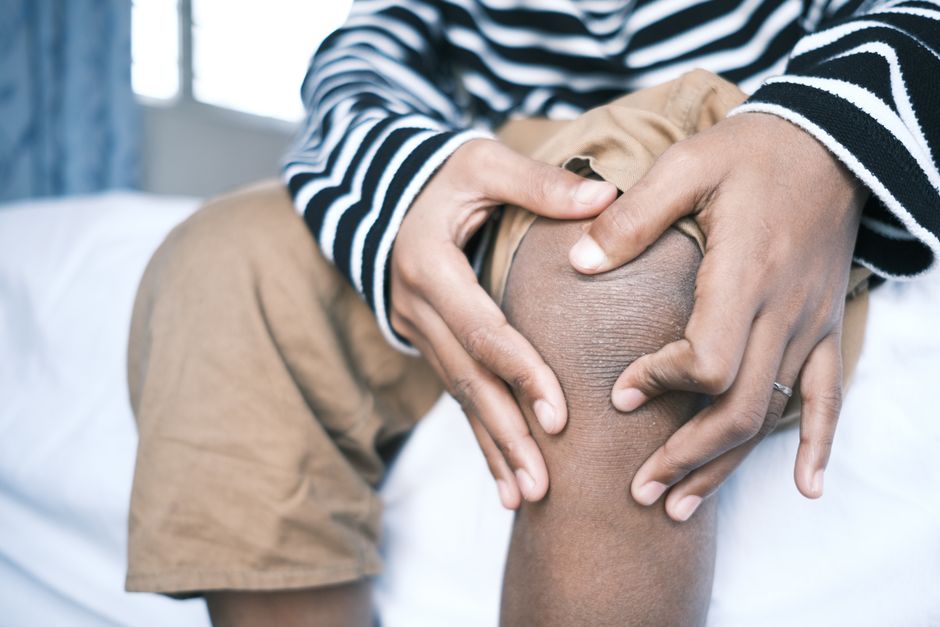
If this type of knee discomfort shows up during or after prolonged sitting, light compression may help reduce stiffness and support the joint during movement.
See knee compression optionsHelpful Next Step
If gentle support helps during recovery, you can check a simple support option that many people use in daily life. If you also experience how to decide which recreational activities to pause during a knee flare, the two issues often share the same underlying cause.
This content is for educational purposes only and does not constitute medical advice. Always consult a qualified healthcare professional for diagnosis and treatment.