🦵 Not sure what's causing it? Take the 5-question knee quiz.
Find My Pattern →How Can I Track Which Daily Activities Make My Knee Worse?
Mornings feel manageable. You get out of bed, move around the kitchen, maybe do some light housework. Then three hours later—or maybe not until evening—your knee starts to feel it. The problem is you're not always sure what caused it. Was it the stairs? The shopping trip? Sitting too long? Without knowing which specific movements or positions aggravate your knee, you end up either avoiding everything or accidentally repeating the same painful patterns. Tracking which activities make your knee worse isn't about keeping a medical journal—it's about building a practical map of your own body so you can make real decisions about what you can and can't do right now.
Why certain activities affect your knee more than others
🦵 Not sure what's causing your knee pain?
Answer 5 quick questions and get a personalised result.
Find My Pattern → 60 seconds · No sign-upYour knee pain likely responds differently to different activities because of how those movements load and stress the joint. Repetitive motions—like climbing stairs, squatting, or walking on uneven ground—can irritate tissues around the kneecap or strain the ligaments and cartilage in ways that sitting or gentle movement doesn't. Some activities cause immediate pain; others build up over hours and show up later as soreness or stiffness.
The delay between activity and pain is a key reason tracking matters. You might do something in the morning and feel fine, then notice swelling or aching by evening. Without a record, you might blame the wrong thing. Additionally, the same activity can feel different depending on your current fitness level, how rested you are, whether you've warmed up, or even how your knee felt the day before. Pain isn't always a direct line from one action to one result. If you also experience how to track which daily tasks aggravate a sore knee, the two issues often share the same underlying cause.
Some activities may bother your knee because of how they position it—deep bending, twisting, or bearing weight at certain angles. Others might aggravate it through repetition or duration. Cold weather, muscle tightness, or reduced stability from fatigue can also change how your knee responds to the same activity on different days.
A practical way to start tracking
The simplest tracking method is a short daily note. You don't need an app or a detailed log. A notebook, notes app on your phone, or even a calendar works. Each evening, write down: what you did that day, when your knee bothered you, what the pain felt like, and how long it lasted. Include the time of day if you can—"knee felt tight after sitting at my desk for two hours" or "sharp pain when I went up the stairs at 4 p.m."
Pay attention to when the pain appears, not just whether it does. Does it start immediately during an activity, or does it creep up an hour later? Does it fade quickly once you stop, or does it linger? This timing tells you a lot. Immediate sharp pain during a specific movement often points to that movement being the trigger. Delayed soreness that builds over hours might mean you overdid it with volume or duration, even if individual movements felt okay.
Note the intensity using a simple scale—mild, moderate, or strong—rather than trying to be precise with numbers. Also record what you were doing right before the pain started. Were you standing, sitting, walking, climbing, kneeling, or squatting? What surface were you on? Were you moving quickly or slowly? These details help you spot patterns.
After a week or two of notes, look back and see which activities or situations appear most often when your knee hurt. You might notice that stairs consistently bother you, or that sitting in a certain chair causes problems, or that long walks feel fine but kneeling doesn't. Some people find that certain times of day are worse—morning stiffness that improves with movement, or afternoon fatigue that makes their knee less stable.
What to be careful about while you track
Avoid the trap of pushing through pain just to "test" an activity. Tracking works best when you're moving normally, not deliberately challenging your knee. If something hurts, stop and note it. You're gathering information about your actual life, not running experiments.
Also watch for patterns that aren't just about the activity itself. Your knee might feel worse on days when you're tired, stressed, or haven't slept well. Weather changes can affect swelling and stiffness. If you've been less active than usual, your first day back to normal activity might feel harder than it should. These context clues matter just as much as the activity itself. This pattern is related to how to decide which recreational activities to pause during a knee flare, and the same management principles often apply.
Don't assume that because one type of activity bothers you, all similar activities will. For example, walking might be fine but stairs might not. Gentle squats might feel okay, but deep ones could hurt. The specifics matter. Track the exact movement or position, not just the category.
Be honest about what you actually did, even if it feels small or silly. Carrying groceries, playing with children, gardening, or standing while cooking all count. These everyday activities are often what people forget to mention when they try to figure out why their knee is sore.
When to bring your tracking to a professional
If your tracking shows a clear pattern—for instance, stairs consistently cause sharp pain, or your knee swells after certain activities—that information is valuable to share with a healthcare provider. Bring your notes with you. A physical therapist, doctor, or orthopedic specialist can use your observations to understand how your knee behaves and might suggest adjustments to how you do certain activities, exercises to build stability, or other approaches tailored to your specific triggers.
Also pay attention to whether your knee is getting worse over time, whether new activities are suddenly causing pain, or whether the pain is spreading to other parts of your leg. These changes warrant professional input even if you've identified your triggers.
Safety note: If you have severe pain, significant swelling, a recent injury, fever, numbness, or difficulty bearing weight, speak with a qualified healthcare professional promptly.
What to do with what you learn
Once you've tracked for a couple of weeks and spotted patterns, you have real information to work with. You might decide to modify how you do certain activities—taking stairs one at a time, using a handrail, breaking up long walks into shorter segments, or changing how you sit. You might also discover activities that don't bother your knee at all, which can help you stay active in ways that feel safe.
The goal isn't to avoid everything that causes mild discomfort—that often leads to stiffness and weakness. Instead, tracking
Helpful Next Step
As an Amazon Associate, we may earn from qualifying purchases. This does not affect the price you pay.
Helpful Support Option
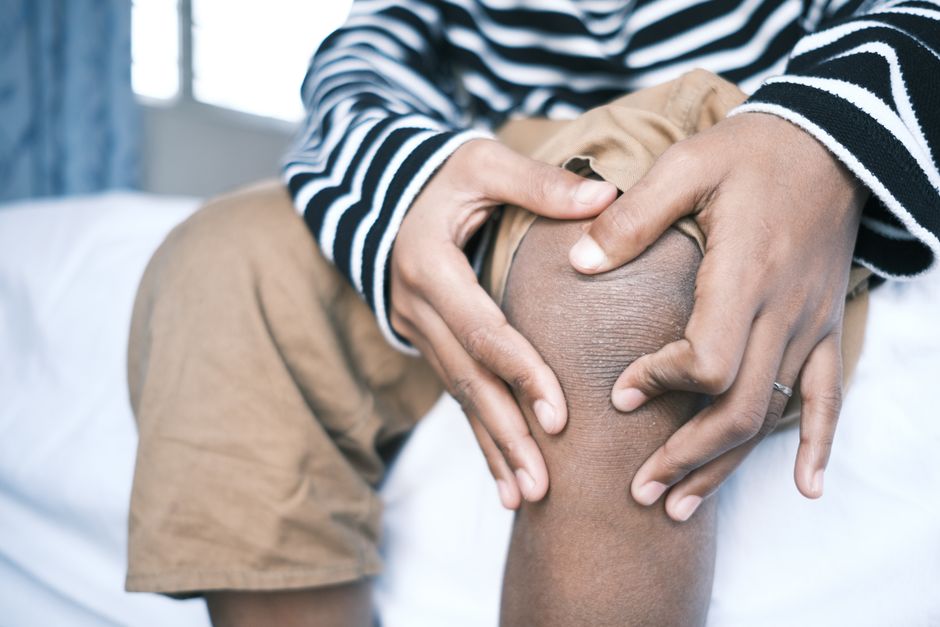
If this type of knee discomfort shows up during daily movement, light support may help reduce strain on the joint while you work on the underlying cause.
See knee support options on AmazonHelpful Next Step
If gentle support helps during recovery, you can check a simple support option that many people use in daily life. People dealing with this frequently also notice why does kneeling down make my knee worse, particularly after extended periods of inactivity.
This content is for educational purposes only and does not constitute medical advice. Always consult a qualified healthcare professional for diagnosis and treatment.