🦵 Not sure what's causing it? Take the 5-question knee quiz.
Find My Pattern →What Should I Do If Your Knee Pain Gets Worse as the Day Goes On?
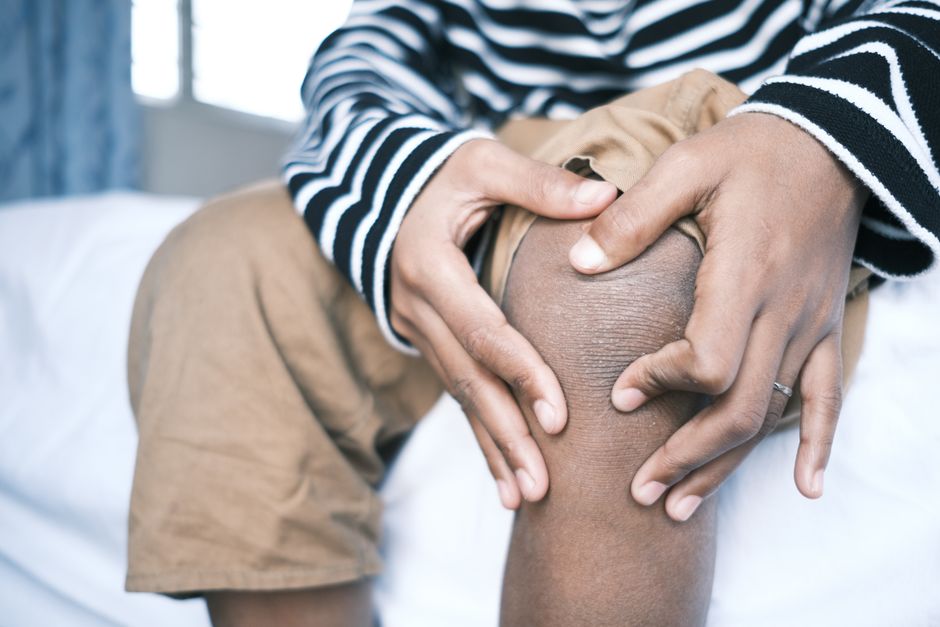
By afternoon, your knee feels heavier than it did this morning. You might have started the day moving fairly well—maybe a little stiffness when you first stood up, but nothing alarming. Then lunch happens. An afternoon of sitting at a desk, or standing while running errands, or just the accumulated weight of the day's activity catches up with you. By evening, your knee aches in a way that makes you reluctant to climb stairs or walk to the car. This pattern—pain that builds gradually rather than striking suddenly—can feel confusing because it suggests your knee is okay in the morning, which makes you wonder if you're doing something wrong during the day, or if something is genuinely worsening.
Why pain often increases as hours pass
🦵 Not sure what's causing your knee pain?
Answer 5 quick questions and get a personalised result.
Find My Pattern → 60 seconds · No sign-upSeveral things can cause knee pain to worsen as the day progresses, and usually it's not one single cause but a combination. There's a close connection between this and knee pain that gets worse the further you walk — the same structures are usually involved.
Swelling accumulation. Your knee contains fluid that helps it move smoothly. When you use your knee throughout the day—walking, standing, climbing, bending—small amounts of inflammation can build up. Unlike pain that arrives suddenly from an injury, this swelling is gradual. By late afternoon, that accumulated fluid creates pressure inside the joint, and the pain becomes more noticeable. This is especially common if you have mild arthritis, a previous injury that never fully resolved, or if you've been more active than usual.
Muscle fatigue. The muscles around your knee—your quadriceps, hamstrings, and calf muscles—work constantly to stabilize your knee joint. As the day goes on and these muscles tire, they provide less support. A fatigued muscle can't hold your knee as steadily, which means the joint itself bears more stress. That's when you start to feel discomfort, even if you haven't done anything particularly strenuous.
Positioning and pressure. Many of us spend hours in positions that put sustained pressure on the knee without realizing it. Sitting with your leg bent at a desk, standing on one leg while working, or even the way you cross your legs can gradually irritate the structures around your knee. The pain isn't immediate because your body tolerates it for a while, but by evening the cumulative effect becomes obvious.
Reduced movement and stiffness. Paradoxically, staying in one position too long—even sitting—can make knee pain worse as the day goes on. When you sit for extended periods, the fluid in your knee doesn't circulate as well, and the joint can feel stiffer and more achy when you finally move again.
Practical steps to try
Start your day with gentle movement. Before you begin your regular activities, spend a few minutes moving your knee gently. This doesn't mean exercise—it means walking slowly around your home, doing a few slow leg lifts while sitting, or gentle stretches. This gets fluid moving through the joint and warms up the muscles. Many people find that even five minutes of easy movement in the morning can reduce afternoon pain.
Change positions frequently throughout the day. If your job involves sitting, stand up and walk around every hour. If you're standing most of the day, find opportunities to sit and elevate your leg. The goal isn't to avoid activity—it's to avoid staying in any single position for too long. Your knee doesn't like being locked in one way for hours.
Apply ice or cold in the late afternoon. Rather than waiting until evening when pain is at its worst, try applying cold (wrapped ice pack, cold gel pack, or even a bag of frozen vegetables) to your knee for 15 minutes around mid-afternoon, before pain builds significantly. Cold can reduce swelling before it accumulates to the point where you feel it. This is different from icing after pain has already developed—you're trying to prevent the buildup.
Be intentional about how you sit. If you sit at a desk, adjust your chair so your knees aren't bent at a sharp angle. Your feet should rest flat on the floor or a footrest, and your thighs should be roughly parallel to the ground. Avoid crossing your legs or tucking one leg underneath you. Small adjustments to how you position yourself can make a noticeable difference by day's end.
Wear supportive footwear during the day. Shoes with good arch support and cushioning can reduce the stress traveling up through your knee. Flip-flops, very flat shoes, or worn-out sneakers often force your knee to work harder. If you spend the day in shoes that don't support your foot properly, your knee compensates—and that compensation adds up over hours.
Manage activity level realistically. If you know your knee tends to worsen as the day goes on, avoid scheduling your most demanding activities (long walks, climbing, heavy lifting) for late afternoon. Do them earlier when your knee is fresher and swelling hasn't accumulated yet.
When to speak with a professional
If your knee pain is mild and manageable with the steps above, you may not need immediate professional attention. But certain signs mean you should reach out to a doctor or physical therapist sooner rather than later.
See a professional if the pain is severe enough that it limits your ability to walk or climb stairs by evening. Also seek help if the pain is getting worse week to week despite trying these strategies, if you notice significant swelling that doesn't go down overnight, if your knee feels unstable or gives way, or if you have pain combined with redness or warmth around the joint. People dealing with this frequently also notice knee pain worse at end of day than in morning, particularly after extended periods of inactivity.
Safety note: If you have severe pain, significant swelling, a recent injury, fever, numbness, or difficulty bearing weight, speak with a qualified healthcare professional promptly.
What to track before your next step
If you do decide to see someone about this, keeping a simple record helps. Note what time your pain typically starts to worsen, what you were doing when it began, and whether ice or position changes made a difference. Also track whether the pattern is the same every day or whether some days are noticeably better. This information helps a professional understand whether your pain is related to activity, swelling, positioning, or something else entirely—and that understanding shapes what they recommend next.
Helpful Next Step
As an Amazon Associate, we may earn from qualifying purchases. This does not affect the price you pay.
Helpful Support Option
If this type of knee discomfort shows up during daily movement, light support may help reduce strain on the joint while you work on the underlying cause.
See knee support options on AmazonHelpful Next Step
If gentle support helps during recovery, you can check a simple support option that many people use in daily life. If you also experience how can i exercise when my knee pain is unpredictable from day to day, the two issues often share the same underlying cause.
This content is for educational purposes only and does not constitute medical advice. Always consult a qualified healthcare professional for diagnosis and treatment.