🦵 Not sure what's causing it? Take the 5-question knee quiz.
Find My Pattern →Should I Use a Knee Brace and How Do I Choose the Right One?
You're standing in a shop or moving around your house and you feel that familiar tightness in your knee—not quite sharp enough to stop you, but noticeable enough that you wonder if something would help. A brace sounds like a reasonable idea, so you search online and find dozens of options: sleeves, wraps, hinged braces, sleeves with stays, neoprene, fabric blends. The choice feels overwhelming, and you're not even sure a brace is the right move for your particular knee problem.

The truth is simpler than the product aisle suggests: whether you need a brace depends on what's actually happening in your knee, and choosing the right one means understanding what it can and can't do.
Why your knee might benefit from support
🦵 Not sure what's causing your knee pain?
Answer 5 quick questions and get a personalised result.
Find My Pattern → 60 seconds · No sign-upA brace can serve several different purposes, and knowing which one applies to you matters. In many cases, knee pain comes from mild instability—your knee feels like it might give way or feels less stable than it should, often when you're turning or stepping off a curb. A brace can provide external support that reduces the work your muscles have to do to stabilize the joint. That's genuinely useful for some people. It's worth knowing that how to choose a realistic walking route with knee pain follows a very similar pattern and responds to the same kind of approach.
Other times, pain comes from swelling or inflammation. A snug compression sleeve can reduce fluid buildup and provide gentle pressure that some people find soothing. It's not fixing the underlying problem, but it may make movement feel easier in the short term.
Sometimes your knee pain is triggered by tracking issues—the kneecap isn't moving quite right in its groove—and a brace designed to guide the kneecap can reduce that particular irritation. This is common in runners and people who spend long periods on their feet.
In other situations, a brace won't help much at all. If your pain comes from arthritis deep in the joint, muscle weakness, or a structural problem that needs real treatment, a brace becomes a temporary comfort measure rather than a solution.
Practical steps to choosing and using a brace
Start by noticing the exact timing and movement. Before you buy anything, spend a few days paying attention to when your knee bothers you most. Does it hurt during a specific activity—climbing stairs, running, walking on uneven ground? Does it feel unstable at certain angles? Does swelling come and go? This matters because different braces are designed for different problems. A compression sleeve won't help if your knee feels unstable; a hinged brace won't reduce swelling as effectively as a tighter compression option.
Try a simple compression sleeve first. If you're unsure whether a brace will help at all, start with a basic neoprene or fabric compression sleeve. They're inexpensive (often under $30), easy to put on and take off, and they give you real information about whether external pressure on your knee changes how it feels. Wear it for a few days during activities that normally bother you. Does movement feel easier? Does swelling decrease? If yes, you've learned something useful. If no, you've lost little money and you know a brace probably isn't your answer.
Match the brace type to your actual problem. Compression sleeves work best for mild swelling or general aching. Patellar straps (the thin bands that sit just below your kneecap) target kneecap tracking issues. Hinged braces with side supports provide the most stability for people whose knees feel like they might buckle or give way. Wraparound braces let you adjust tightness, which can be helpful if swelling changes throughout the day. Don't buy based on what looks most serious—buy based on what your knee actually needs.
Get the sizing right. A brace that's too loose does nothing. A brace that's too tight cuts off circulation or causes discomfort that makes you want to remove it. Most brands provide sizing charts based on knee circumference. Measure your knee (around the middle of the kneecap, with your leg relaxed) and follow the chart. If you're between sizes, many people find that sizing up slightly is more comfortable for all-day wear.
Wear it consistently during the activity that bothers you. A brace sitting in a drawer helps nothing. If your knee hurts during walks, wear it on walks. If it bothers you during work, wear it at work. Give it at least a week of consistent use before deciding whether it's helping. Some people feel relief immediately; others notice gradual improvement over several days.
When the brace isn't enough
If you've tried a brace for 10-14 days and your knee pain hasn't improved, or if it's gotten worse, that's information worth listening to. A brace can reduce symptoms, but it's not treating the underlying cause. Many knee problems need something beyond support—strengthening exercises, movement changes, or professional assessment to rule out something more serious. If you also experience how to choose an aisle or window seat when your knee hurts, the two issues often share the same underlying cause.
You should also stop relying on a brace if you notice it's becoming a crutch that lets you ignore pain signals. Some people wear a brace and then push through activities that actually need rest or modification. That can turn a manageable problem into something bigger.
Safety note: If you have severe pain, significant swelling, a recent injury, fever, numbness, or difficulty bearing weight, speak with a qualified healthcare professional promptly.
Moving forward with your decision
The real question isn't whether a brace is good or bad—it's whether it's right for your specific knee, right now. The best way to find out is to try one thoughtfully: notice what your knee actually needs, choose a brace that matches that need, and pay attention to whether it changes how your knee feels during the activities that matter to you. If it helps, great. If it doesn't, that tells you something important about what your knee might actually need next.
Helpful Next Step
As an Amazon Associate, we may earn from qualifying purchases. This does not affect the price you pay.
Helpful Support Option
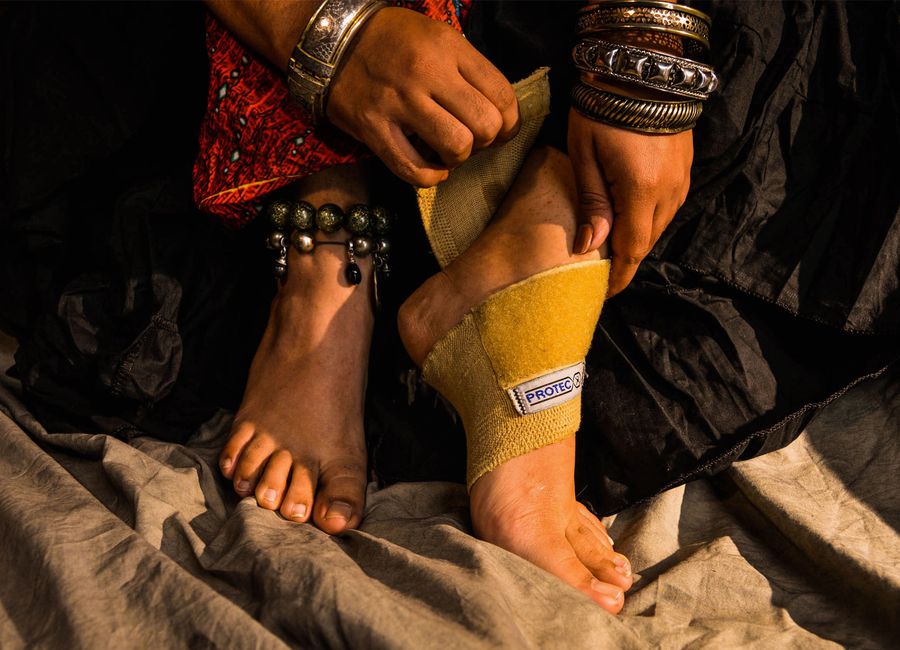
If this type of knee discomfort shows up during daily movement, light support may help reduce strain on the joint while you work on the underlying cause.
See knee support options on AmazonHelpful Next Step
If gentle support helps during recovery, you can check a simple support option that many people use in daily life. There's a close connection between this and how to choose luggage when knee mobility is limited — the same structures are usually involved.
This content is for educational purposes only and does not constitute medical advice. Always consult a qualified healthcare professional for diagnosis and treatment.