🦵 Not sure what's causing it? Take the 5-question knee quiz.
Find My Pattern →Knee Tightness After Walking Uphill
The moment you sit down after climbing that hill, something shifts. Your knee feels fine while you're moving—maybe even strong. But the second you rest, a tightness creeps in. It's not sharp pain exactly. It's more like your knee has been wrapped too snugly, and the sensation grows stronger over the next few hours. By evening, or worse, the next morning, that tightness has settled in like an unwelcome guest, making stairs feel like a negotiation and simple sitting positions uncomfortable.
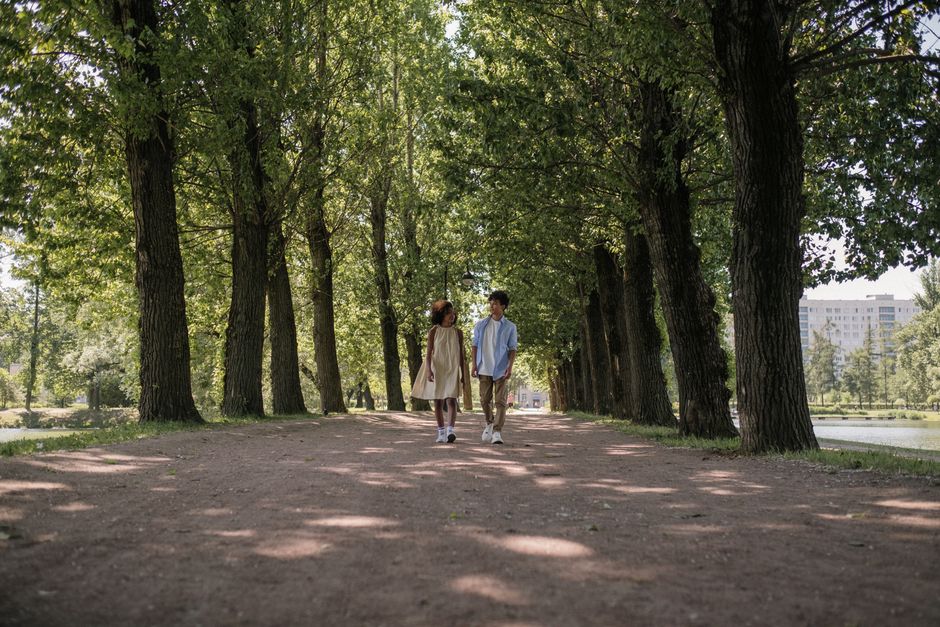
This delayed tightness is one of the most frustrating knee responses to uphill walking because it tricks you. You feel capable during the activity, which makes the stiffness that follows feel unfair—like your body waited until you'd already committed to the hike before complaining.
Why uphill walking tightens the knee differently
🦵 Not sure what's causing your knee pain?
Answer 5 quick questions and get a personalised result.
Find My Pattern → 60 seconds · No sign-upUphill walking demands something different from your knee than flat terrain does. Your quadriceps (the muscle on top of your thigh) has to work harder to lift your body weight against gravity with each step. This sustained, repetitive contraction can leave the muscle fatigued and prone to tightening, especially if you're not accustomed to that particular incline or if you pushed harder than usual. If you also experience knee burning feeling after walking uphill, the two issues often share the same underlying cause.
The angle of an uphill climb also changes how your kneecap tracks in its groove. On flat ground, your knee moves in a relatively straightforward path. Uphill, your knee bends more deeply with each step, and your body weight presses differently through the joint. This altered loading pattern can irritate the tissues around your knee, leading to that characteristic post-activity tightness.
Muscle imbalances play a role too. If your glutes (the muscles in your buttocks) aren't strong enough, your quadriceps and outer thigh muscles compensate by working overtime during the climb. They tighten up as a result of overwork, and that tightness persists long after you've stopped moving.
Stress and mental tension can amplify physical tightness in ways that surprise people. If you were anxious about the hike itself, or if you pushed yourself harder than planned because of frustration or determination, your muscles may have been held in a state of tension throughout. That psychological tension translates into physical muscle guarding, which shows up as tightness hours later.
What you can try
Start with gentle movement rather than immediate rest. The instinct to sit down and recover is understandable, but a 10-minute easy walk on flat ground after you've finished the uphill section can help prevent that dramatic tightness spike. Movement encourages blood flow and prevents the muscles from stiffening as they cool down. This is different from the stretching advice you'll find elsewhere—this is about keeping things loose, not forcing length.
Apply ice to your knee for 15 minutes within the first two hours after the hike, then switch to heat if tightness persists into the evening. Ice addresses any inflammation from the effort; heat later helps tight muscles relax. The timing matters more than most people realize. Ice too late won't help much, and heat too early can increase swelling.
Adjust your walking pace and distance before your next uphill attempt. This isn't about avoiding hills—it's about building tolerance gradually. If you climbed for 45 minutes and felt tight afterward, try 25 minutes next time on the same hill. Your knee will adapt faster to a reasonable progression than to repeated overloads. It's worth knowing that knee clicking with pain after walking uphill follows a very similar pattern and responds to the same kind of approach.
Pay attention to how you're breathing during the climb. Shallow, tense breathing keeps your whole body—including your leg muscles—in a state of tension. If you can maintain steady, calm breathing throughout the uphill section, your muscles may not tighten as severely afterward. This connects directly to that psychological tension piece: a calm nervous system produces calmer muscles.
Sleep position matters more than people expect. If you sleep with a pillow between your knees, or if you keep your knee bent in a particular position all night, you're reinforcing that tightness. Try sleeping with your leg relatively straight, or switch positions halfway through the night.
When to reach out to a professional
If tightness persists for more than a few days after a single hike, or if it's getting worse rather than better, it's time to speak with a physical therapist or doctor. The same applies if the tightness is accompanied by swelling that doesn't go down with ice, or if it's localized to one specific spot on your knee rather than a general feeling of stiffness.
Safety note: If you have severe pain, significant swelling, a recent injury, fever, numbness, or difficulty bearing weight, speak with a qualified healthcare professional promptly.
Frequently Asked Questions
Q: When should I stop exercising because of knee tightness after walking uphill?
A: Stop if the pain is sharp, climbing steadily during exercise, or causing you to change how you move. Mild, stable discomfort that stays at a 2 to 3 out of 10 is often acceptable to work through gently. Anything above that — or pain that simply feels wrong — is your cue to stop and reassess.
Q: Why does my knee feel worse after sitting for a long time?
A: This pattern — stiffness or pain after prolonged sitting that eases once you move around — is a hallmark of irritation around the kneecap or the soft tissues surrounding it. The joint stiffens in a flexed position, and the first movement disturbs it. Most people find it settles within a minute or two of walking.
Q: Can I still walk normally when I have knee tightness after walking uphill?
A: Many people manage normal walking despite this kind of discomfort. If walking causes you to limp or noticeably change your gait, though, that's worth addressing — compensating patterns often create new problems in the hips, lower back, or opposite knee over time.
What To Do Tomorrow Morning
Most people who take early, sensible action recover well. Start with what you can manage today and monitor closely. If things are not improving after a few weeks, that is the right time to bring in professional support.
Helpful Next Step
As an Amazon Associate, we may earn from qualifying purchases. This does not affect the price you pay.
Helpful Support Option
If this discomfort shows up during daily walking or standing, a compression sleeve may help reduce load on the joint during movement while the underlying cause is addressed.
See walking knee support optionsHelpful Next Step
If gentle support helps during recovery, you can check a simple support option that many people use in daily life. This pattern is related to knee feels swollen after walking uphill, and the same management principles often apply.
This content is for educational purposes only and does not constitute medical advice. Always consult a qualified healthcare professional for diagnosis and treatment.