🦵 Not sure what's causing it? Take the 5-question knee quiz.
Find My Pattern →Knee Pain From Dancing or Dance Fitness Classes
That sharp catch happens mid-combination—your knee locks for a split second, and you lose your footing just enough to feel it. By the time the music shifts, it's gone. So you keep moving. Then later, sitting on the couch, a dull ache settles in that wasn't there during class. You wonder if you should have stopped, but everyone else looked fine, and you didn't want to be the one sitting out.
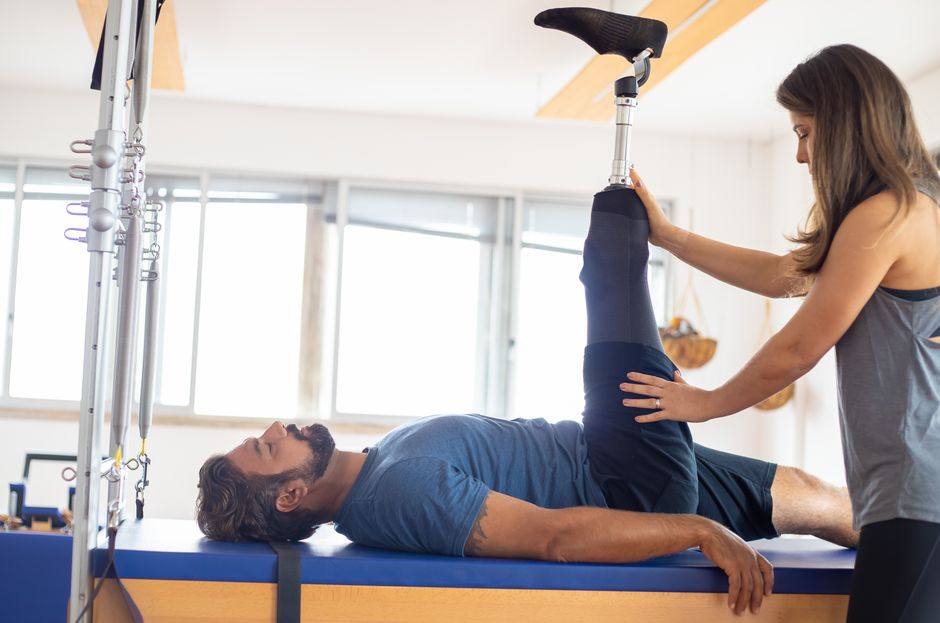
Knee pain from dance fitness exists in this strange middle ground. It's not always screaming at you during the moment. Often it whispers during class and shouts afterward—or worse, it waits until the next morning when you realize you can't quite straighten your leg without stiffness.
Why dancing stresses your knees differently
🦵 Not sure what's causing your knee pain?
Answer 5 quick questions and get a personalised result.
Find My Pattern → 60 seconds · No sign-upDance fitness classes demand things from your knees that most activities don't ask all at once. Your knee joint is built to handle forward-and-back movement reasonably well, but dance—especially styles like hip-hop, Zumba, or high-intensity cardio dance—layers in rapid direction changes, pivoting, lateral lunges, and impact landing.
The repetition is often where the real stress builds. A single high kick or jump might feel fine. Doing thirty of them in a row, sometimes on surfaces that don't absorb shock well, can irritate the tissues around your kneecap or stress the ligaments that stabilize side-to-side movement. Your quadriceps muscle (the one on the front of your thigh) has to fire constantly to keep your kneecap tracking properly, and if it's not strong enough or if you're compensating with other muscles, that tracking gets off—even slightly—and pain can follow.
Rotational movements deserve their own mention. When you pivot or twist on a planted foot while your upper body moves a different direction, your knee absorbs that torque. Repeat this dozens of times in a single class, and the tissues inside your knee joint can become irritated.
There's also the social and psychological layer that generic articles skip entirely. You're in a group, music is playing, an instructor is calling out choreography, and everyone around you is moving. The pressure to keep up—to not be the person modifying or sitting out—is real. That pressure can override what your body is actually telling you. You rationalize the pain: It's just soreness. Everyone's sore. I'll stretch it out. Sometimes that's true. Sometimes it's the beginning of something that needs attention.
What you can actually do about it
Start with honest observation of the timing. Before you do anything else, notice when the pain appears. Does it happen during certain moves? Does it show up immediately or hours later? Is it a sharp catch or a dull ache? This information matters when you eventually talk to a professional, and it also helps you understand what's actually happening. A sharp catch during a pivot is different from a delayed ache that emerges when you're resting. Write it down if you can.
Modify the class without leaving it. You don't have to sit out entirely. Most instructors can suggest lower-impact versions of moves—step-touches instead of high-impact jumps, smaller range-of-motion lunges, or removing the rotational component from a combination. Doing this doesn't mean you're weak or giving up. It means you're being smart about a body part that's sending a signal. The fitness benefit doesn't disappear because you're doing a gentler version.
Ice after class if there's swelling or lingering heat. Not the standard "15-20 minutes" advice that every article repeats, but actually: if your knee feels puffy or warm to the touch after class, ice can help reduce inflammation. Do this while you're sitting down, not standing. The position matters. Propping your leg up while icing lets gravity help with swelling reduction.
Build strength on non-dance days. This is where many dancers get stuck. They come to class, feel okay during it (or push through), then rest completely. Strength work—especially for your quadriceps, glutes, and hip stabilizers—needs to happen separately, ideally on days when you're not dancing. Stronger muscles support better movement mechanics and reduce compensation patterns. Two or three sessions a week of targeted work can make a real difference, but it has to be consistent.
Consider the surface you're dancing on. Hard floors (concrete, tile) transfer more impact to your joints than sprung dance floors. If you're taking classes in a studio with a basic floor, that's worth knowing. It doesn't mean you have to stop, but it might mean you need to be more conservative with high-impact moves or invest in better shoes with cushioning designed for lateral movement.
When to reach out for help
If the pain is sharp and sudden, if your knee gives way or feels unstable, if swelling appears and doesn't go down with ice and elevation, or if the pain is preventing you from moving normally even outside of class—those are signs to talk to a healthcare professional. The same applies if pain started after a specific incident (a hard landing, a twist) rather than gradually building over time.
Morning stiffness that improves with movement and then worsens again by evening can sometimes resolve on its own with appropriate modifications. But if it's getting worse, or if it's affecting your ability to do daily things like walking up stairs, that's worth professional attention too.
Safety note: If you have severe pain, significant swelling, a recent injury, fever, numbness, or difficulty bearing weight, speak with a qualified healthcare professional promptly.
Frequently Asked Questions
Q: Can stretching help with knee pain from dancing or dance fitness classes?
A: Gentle stretching of the quadriceps, hamstrings, calves, and hip flexors can reduce the muscular tension that contributes to knee discomfort. A sustained, comfortable hold of 20 to 30 seconds is far more effective and safer than aggressive or bouncing stretches.
Q: Should I apply heat or ice to a painful knee?
A: Cold — ice wrapped in a cloth — works better for acute flare-ups, particularly in the first 24 to 48 hours when the area feels warm or inflamed. Gentle heat tends to be more helpful for muscle stiffness and chronic, recurring aches. Never apply either directly to bare skin.
Q: Should I use a knee brace or compression sleeve for knee pain from dancing or dance fitness classes?
A: A basic compression sleeve can offer comfort and mild support during activity, and many people find it helpful in the short term. Don't rely on it long-term without also addressing the root cause — whether that's strength, flexibility, or movement patterns.
What To Do Tomorrow Morning
Most people who take early, sensible action recover well. Start with what you can manage today and monitor closely. If things are not improving after a few weeks, that is the right time to bring in professional support.
Helpful Next Step
As an Amazon Associate, we may earn from qualifying purchases. This does not affect the price you pay.
Helpful Support Option
Resistance bands are commonly used in knee rehabilitation to build quad and glute strength without placing heavy load on the joint. A useful addition to a home exercise routine.
See resistance band optionsHelpful Next Step
If gentle support helps during recovery, you can check a simple support option that many people use in daily life.
This content is for educational purposes only and does not constitute medical advice. Always consult a qualified healthcare professional for diagnosis and treatment.