🦵 Not sure what's causing it? Take the 5-question knee quiz.
Find My Pattern →Knee Pain Flares up Before Rain Arrives
When your knee aches before the weather changes
🦵 Not sure what's causing your knee pain?
Answer 5 quick questions and get a personalised result.
Find My Pattern → 60 seconds · No sign-upYour knee starts bothering you around mid-afternoon—nothing dramatic, just a dull throb that sits deeper in the joint than your usual activity-related soreness. By evening, there's a stiffness that doesn't ease when you move around. You check your phone. No rain in the forecast. But by morning, the ache has shifted into something sharper, almost electric when you shift your weight. Then the clouds roll in by afternoon, and within hours of the first drops falling, the pain softens. You were right again, even though you didn't check the weather prediction until after your body had already told you what was coming.
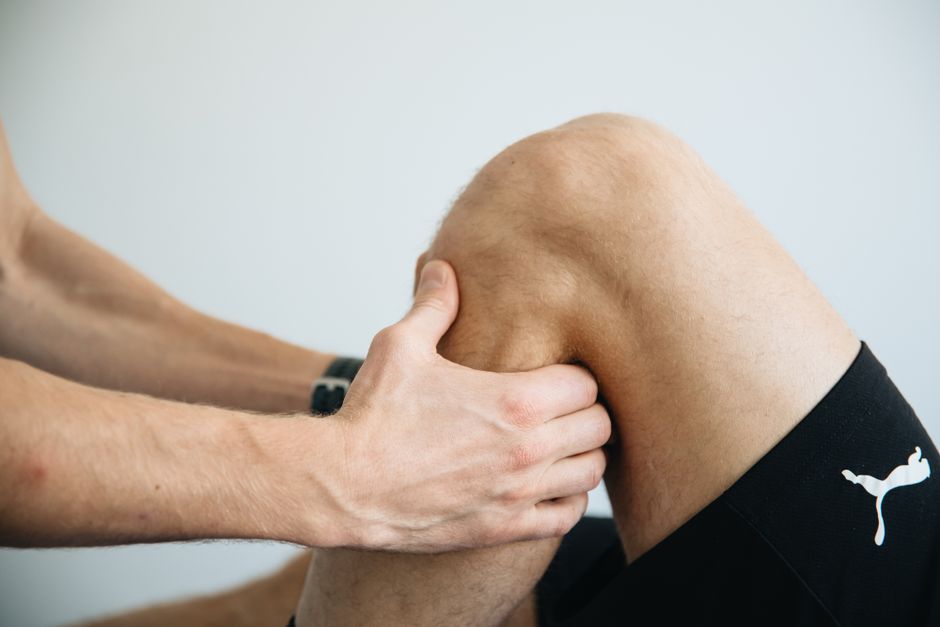
This pattern—where knee pain announces rain hours or even a full day before it arrives—is real enough that people often feel frustrated explaining it to others. It's not dramatic enough to be an injury. It's not consistent enough to be simple wear and tear. It's just your knee, reliably signaling something in the air that you can't see yet.
Why pressure changes might trigger knee flare-ups
When atmospheric pressure drops before a storm system moves in, the air around you literally weighs less. Your body experiences this shift, and several things may happen inside and around your knee joint.
The tissues in your knee—cartilage, tendons, the joint capsule itself—contain fluid and gas. When external pressure drops, the pressure inside those tissues becomes relatively higher by comparison. This can create a slight expansion or shift in how fluid moves through the joint space. If you already have some inflammation, scar tissue, or minor cartilage wear, that pressure change can amplify the sensation of discomfort.
Barometric pressure changes can also affect how your nervous system processes pain signals. Some research suggests that dropping pressure may make nerves more sensitive to existing irritation. The pain doesn't necessarily get worse in an absolute sense—your knee might feel the same level of inflammation—but your nervous system may be tuned to notice it more acutely.
People with previous knee injuries, arthritis, or chronic inflammation tend to notice this pattern most clearly. The tissues around your knee may already be slightly swollen or tender from past strain, and the pressure drop acts like a volume dial turning up on pain you're already carrying.
Humidity changes that accompany storms can also play a role. Rising humidity before rain can affect how your muscles and connective tissues absorb and hold water, potentially changing tension around the knee joint.
Practical steps to manage pre-rain flare-ups
Pay attention to the timing. Start noticing when your pain peaks relative to when rain actually arrives. Does the ache wake you up 18 hours before precipitation? Does it spike right as the pressure drop begins? Knowing your personal window helps you anticipate what's coming and plan your day differently. You might schedule demanding activities for times when your knee typically feels better.
Apply gentle warmth before the pain intensifies. A warm shower, heating pad, or even warm layers can relax muscles around the knee and may ease some of the sensation before a flare-up peaks. Warmth won't stop the pressure change, but it can reduce muscle tension that amplifies pain signals. Aim for 15-20 minutes rather than prolonged heat, which can sometimes increase swelling.
Move deliberately, but don't force it. The stiffness before rain often feels resistant to normal movement. Instead of pushing through it or staying completely still, try slow, gentle motion—walking at an easy pace, light stretching, or gentle knee bends. Movement helps maintain fluid circulation in the joint, which can prevent stiffness from worsening. The key is avoiding sudden weight shifts or impact activities that feel sharp during pressure-drop windows.
Consider your activity load the day before. If you know a storm system is moving in (even before you consciously check the forecast), it's worth reducing high-impact activities the day before. This isn't about avoiding all movement—it's about not adding fresh stress to a knee that's already responding to pressure changes. Save the heavier walking, stairs, or exercise for after the rain arrives and your pain typically eases.
Stay hydrated and maintain consistent movement patterns. Dehydration can make joint fluid less effective at managing pressure changes. Drinking water consistently throughout the day may help. Also, avoid long periods of sitting or immobility right before storms. Stiffness compounds when you're stationary during a pressure drop.
When to talk to a healthcare professional
If your pre-rain flare-ups are getting worse over time, if the pain is severe enough to limit your daily activities, or if the pattern has changed recently, that's worth discussing with a doctor or physical therapist. They can assess whether there's an underlying issue—like cartilage damage, ligament involvement, or inflammation—that's making you more sensitive to pressure changes.
Also seek professional input if the pain is only happening on one side, if swelling accompanies the ache, or if you're noticing weakness or instability. These details help rule out acute injury or progressive conditions that need specific treatment.
Safety note: If you have severe pain, significant swelling, a recent injury, fever, numbness, or difficulty bearing weight, speak with a qualified healthcare professional promptly.
Frequently Asked Questions
Q: Can stretching help with knee pain flares up before rain arrives?
A: Gentle stretching of the quadriceps, hamstrings, calves, and hip flexors can reduce the muscular tension that contributes to knee discomfort. A sustained, comfortable hold of 20 to 30 seconds is far more effective and safer than aggressive or bouncing stretches.
Q: Is it safe to exercise with knee pain flares up before rain arrives?
A: Gentle, low-impact movement is often beneficial — walking, swimming, and cycling tend to be well-tolerated. Avoid anything that sharply increases the discomfort. A physiotherapist can help identify which exercises are right for your specific situation and severity.
Q: Can I still walk normally when I have knee pain flares up before rain arrives?
A: Many people manage normal walking despite this kind of discomfort. If walking causes you to limp or noticeably change your gait, though, that's worth addressing — compensating patterns often create new problems in the hips, lower back, or opposite knee over time.
One Thing to Try First
Most people who take early, sensible action recover well. Start with what you can manage today and monitor closely. If things are not improving after a few weeks, that is the right time to bring in professional support.
Helpful Next Step
As an Amazon Associate, we may earn from qualifying purchases. This does not affect the price you pay.
Helpful Support Option
If this type of knee discomfort shows up during daily movement, light support may help reduce strain on the joint while you work on the underlying cause.
See knee support options on AmazonHelpful Next Step
If gentle support helps during recovery, you can check a simple support option that many people use in daily life.
This content is for educational purposes only and does not constitute medical advice. Always consult a qualified healthcare professional for diagnosis and treatment.