🦵 Not sure what's causing it? Take the 5-question knee quiz.
Find My Pattern →Is It Normal for One Knee to Hurt While the Other Feels Fine?
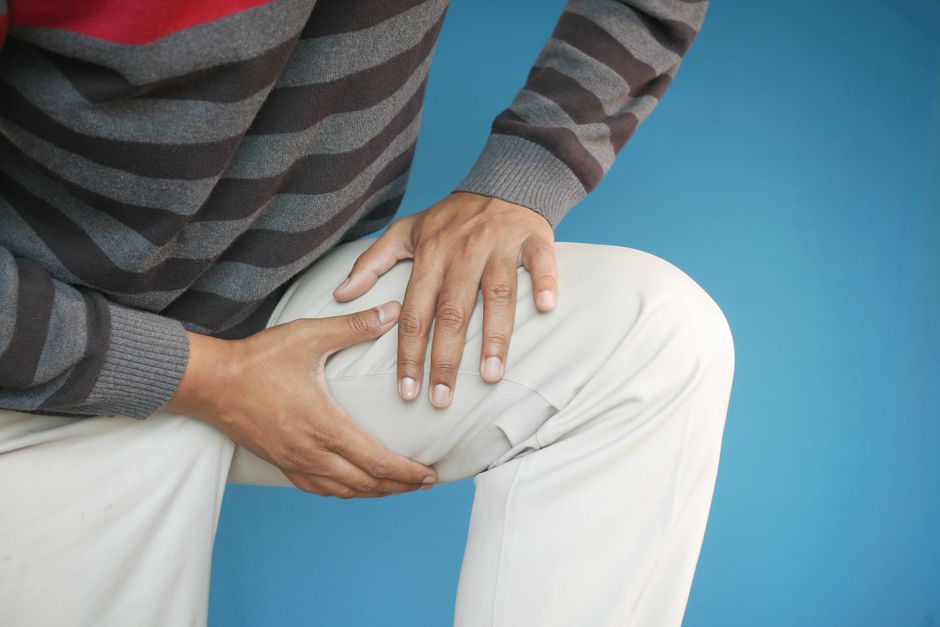
Walking down the stairs, one knee protests while the other moves without complaint. Or you notice it sitting at your desk—the left side aches, the right stays quiet. The asymmetry is what catches your attention. It feels odd, almost suspicious, that your body would single out just one side. The question that follows is natural: should both knees hurt together, or is this one-sided pain something you need to worry about?

The short answer is yes, it's common for one knee to hurt while its partner feels completely normal. But understanding why it happens helps you figure out what to do about it.
Why one knee often hurts more than the other
🦵 Not sure what's causing your knee pain?
Answer 5 quick questions and get a personalised result.
Find My Pattern → 60 seconds · No sign-upYour knees don't work in isolation. They're connected to your hips, ankles, lower back, and the muscles and tendons that run through your entire leg. When one side develops an imbalance—whether from injury, habit, or how your body is built—that knee often bears extra stress while the other one doesn't. There's a close connection between this and what does it mean when my knee feels tight but doesnt actually hurt — the same structures are usually involved.
Uneven muscle strength is one of the most common reasons. If your left leg's quadriceps (the muscle on the front of your thigh) is weaker than your right, your left knee may compensate by working harder during movement. This extra effort can lead to pain on just that side. Strength imbalances often develop gradually—maybe you favored one leg after a minor injury months ago, or you naturally stand with more weight on one side.
How you move plays a role too. Some people have a slight inward or outward tilt to their pelvis, or their feet point slightly inward or outward when they walk. These small differences in alignment can mean one knee absorbs more force than the other during everyday activities like walking, climbing stairs, or squatting. Over time, that repeated extra load can cause pain to develop in just one knee.
A previous injury to one leg can trigger this pattern. Even after an old ankle sprain, knee bump, or hip strain has mostly healed, you might still move slightly differently on that side—protecting it without realizing it. This protective movement pattern can persist long after the original injury, leading to pain in the knee of that same leg.
Tightness in one leg can also be the culprit. If your hip flexors, hamstrings, or calf muscles are tighter on one side, that knee may be pulled into a slightly awkward position during movement, creating strain that only shows up on that side.
What you can try at home
Start by paying attention to how the pain feels and when it shows up. Does it happen during specific movements—like going downstairs, standing up from a chair, or after sitting for a while? Does one position make it worse? These observations help you understand what's actually stressing that knee.
Gentle strengthening of the weaker side can help rebalance your legs. If your left knee hurts, focus on light exercises for your left leg—bodyweight squats, step-ups on a low step, or lying leg lifts. You don't need intensity here; consistency and control matter more. Start with movements that don't cause pain, and only gradually increase difficulty as your knee tolerates it.
Stretch the tight areas on the side that hurts. Spend a few minutes each day on your hip flexors, hamstrings, and calves on that leg. Tight muscles can pull your knee out of alignment, so releasing that tightness may reduce strain. Hold stretches gently for 20 to 30 seconds and avoid bouncing.
Check your daily habits for one-sided strain. Do you cross your legs while sitting? Stand with your weight on one leg? Carry a bag on the same shoulder every day? These small repeated actions can add up. Try to distribute your weight more evenly and switch sides when you can.
Ice after activity if the pain increases after movement. Fifteen to 20 minutes of ice on the painful knee can help reduce swelling and discomfort, especially if you've been more active than usual. This doesn't fix the underlying cause, but it can make the knee feel better while you work on the real issue.
Wear supportive shoes that fit well and provide arch support. Shoes that are worn down on one side or don't support your arch can subtly change how your leg aligns, putting extra stress on one knee.
When to see a professional
If the pain is sharp, severe, or came on suddenly after an injury, don't wait—see a healthcare provider soon. The same goes if your knee swells noticeably, feels unstable, or locks or catches during movement.
Pain that doesn't improve after a few weeks of careful activity modification also warrants professional evaluation. A physical therapist or doctor can assess your strength, flexibility, alignment, and movement patterns to pinpoint exactly what's driving the one-sided pain. They might recommend specific exercises, bracing, or other interventions tailored to your situation.
Safety note: If you have severe pain, significant swelling, a recent injury, fever, numbness, or difficulty bearing weight, speak with a qualified healthcare professional promptly.
What to observe moving forward
One-sided knee pain often develops slowly because of how you move and how your muscles are balanced—not because something is fundamentally wrong with that knee. The pattern can usually be shifted with attention and patience. This pattern is related to both knees hurt going up and down stairs, and the same management principles often apply.
Over the next week or two, notice whether the pain is consistent or whether it changes with different activities. Does it feel worse in the morning, or does it build throughout the day? Does it improve if you're more intentional about your posture and movement? These details matter when you eventually talk to a professional, and they also tell you whether your at-home adjustments are helping.
The fact that only one knee hurts is actually useful information—it suggests the issue is likely related to how you're using that leg, not a structural problem that would affect both sides equally.
Helpful Next Step
As an Amazon Associate, we may earn from qualifying purchases. This does not affect the price you pay.
Helpful Support Option
If this discomfort shows up during daily walking or standing, a compression sleeve may help reduce load on the joint during movement while the underlying cause is addressed.
See walking knee support optionsHelpful Next Step
If gentle support helps during recovery, you can check a simple support option that many people use in daily life. People dealing with this frequently also notice both knees hurt when kneeling on any surface, particularly after extended periods of inactivity.
This content is for educational purposes only and does not constitute medical advice. Always consult a qualified healthcare professional for diagnosis and treatment.