🦵 Not sure what's causing it? Take the 5-question knee quiz.
Find My Pattern →Can I Return to Tennis or Similar Sports After Knee Pain?
The court looks good. The weather is perfect. Your friend texts asking if you're playing this weekend, and for a moment you imagine yourself back out there — then your knee reminds you why you've been sitting it out. The question isn't whether you want to return to tennis. It's whether your knee can handle it, how to know when it's ready, and what "ready" actually means.

Why your knee struggled with tennis in the first place
🦵 Not sure what's causing your knee pain?
Answer 5 quick questions and get a personalised result.
Find My Pattern → 60 seconds · No sign-upTennis demands things from your knee that most daily activities don't. The sport combines sudden direction changes, explosive pushing off the ground, quick stops, and rotational forces — all while your body weight is concentrated through one leg. That's a lot to ask of a joint.
Your knee pain during tennis may have started because of several reasons. Overuse is common, especially if you ramped up playing frequency or intensity without gradual buildup. Your muscles around the knee — the quadriceps, hamstrings, and hip stabilizers — may not have been strong enough to support the demands, leaving your knee joint to absorb more stress than it should. Technique issues can also play a role; a serve motion that's off, footwork that's inefficient, or a landing pattern that puts extra strain on your knee can accumulate damage over weeks or months. Sometimes the pain comes from inflammation in the tissues around the knee, or from the way your knee tracks when you move, rather than from damage to the joint itself. For useful context, how to plan a gentle return to doubles tennis after knee pain tends to have the same mechanical roots and overlapping solutions.
The key point: tennis pain often builds gradually. You might have felt fine for weeks, then one match or one hard session tips it over into noticeable pain. That delayed onset makes it easy to keep playing through the early warning signs.
Building a realistic return timeline
Returning to tennis isn't about waiting until pain completely disappears and then jumping straight back into matches. That approach often backfires.
Start with gentler movement first. Walking at a normal pace, light cycling, or swimming can help you understand what your knee tolerates without the impact and rotational stress of tennis. Spend a week or two here — not because you're impatient, but because you're gathering information about your baseline. Notice the difference between mild discomfort that settles within a few hours and pain that lingers or worsens the next day.
Once basic movement feels manageable, add strengthening work. Your quadriceps, hamstrings, and the muscles on the outside of your hip need to be strong enough to stabilize your knee during lateral movement and quick direction changes. Bodyweight squats (partial range if needed), step-ups, calf raises, and side-lying leg lifts can begin rebuilding capacity. This phase typically takes 2–4 weeks, depending on how weak your supporting muscles became during your time off.
Next comes sport-specific preparation without the competitive pressure. Hit balls against a wall. Do footwork drills without a ball. Practice your serve motion slowly. Do lateral shuffle drills. The goal is to reintroduce the movement patterns of tennis in a controlled way, where you can stop immediately if something doesn't feel right. This phase might last another 2–3 weeks.
Only after that foundation should you consider playing points or matches. Even then, start with shorter sessions — perhaps 20–30 minutes of easy doubles rather than a full competitive match. Watch how your knee responds not just during play, but in the hours and days after. Delayed swelling or stiffness the next morning is a sign you did too much too soon.
What to observe and adjust along the way
Pain during tennis often comes in patterns. Some people notice it only when they change direction sharply or when they lunge. Others feel it specifically when pushing off to serve or when landing after a jump. Paying attention to when the pain appears — not just that it appears — helps you understand what movement is causing trouble.
Keep your playing surface in mind. Hard courts create more impact stress than clay courts. If you're returning to tennis, clay or grass may feel more forgiving during early sessions. It's worth knowing that how to return to dancing socially after knee pain follows a very similar pattern and responds to the same kind of approach.
Footwear matters more than many players realize. Worn-out shoes lose their cushioning and support. If your current shoes are more than a year old and you play regularly, new ones might reduce stress on your knee without you changing anything else.
Warm up longer than you think you need to. A proper warm-up — 10–15 minutes of light movement, dynamic stretching, and gradual intensity — primes your muscles and gives your knee time to "wake up." Skipping this step when you're eager to return often leads to setbacks.
Pay attention to volume. Playing one match per week is very different from playing three times per week, even if each session feels fine. Your knee's tolerance for total load matters as much as how it feels in any single moment.
Knowing when to talk to a professional
If your knee pain improves steadily over several weeks as you follow a gradual return plan, that's a good sign. If it plateaus, gets worse, or returns suddenly when you try to increase activity, you need professional input before pushing further.
A physical therapist or sports medicine doctor can assess whether your knee is actually ready for tennis-level demands or whether something else is limiting you. They can also identify specific movement patterns or muscle imbalances that might be setting you up for another injury. This is especially important if your pain is sharp, if you notice swelling that doesn't go down within a few hours, or if your knee feels unstable or like it might give way.
Safety note: If you have severe pain, significant swelling, a recent injury, fever, numbness, or difficulty bearing weight, speak with a qualified healthcare professional promptly.
Moving forward realistically
Returning to tennis after knee pain is possible for many people, but it's rarely a straight line. Some players return to their previous level. Others find a sustainable rhythm that involves fewer matches per week or less intense play. That's not failure — it's adaptation.
As you work through your return, track what works: which surfaces feel better, which warm-up routine keeps your knee most stable, what volume of play you can handle week to week. Your knee will tell you where the honest limits are. The goal isn't to ignore those limits and hope they go away. It's to understand them clearly enough that you can play the sport you love without constantly managing pain or fear of setback.
Helpful Next Step
As an Amazon Associate, we may earn from qualifying purchases. This does not affect the price you pay.
Helpful Support Option
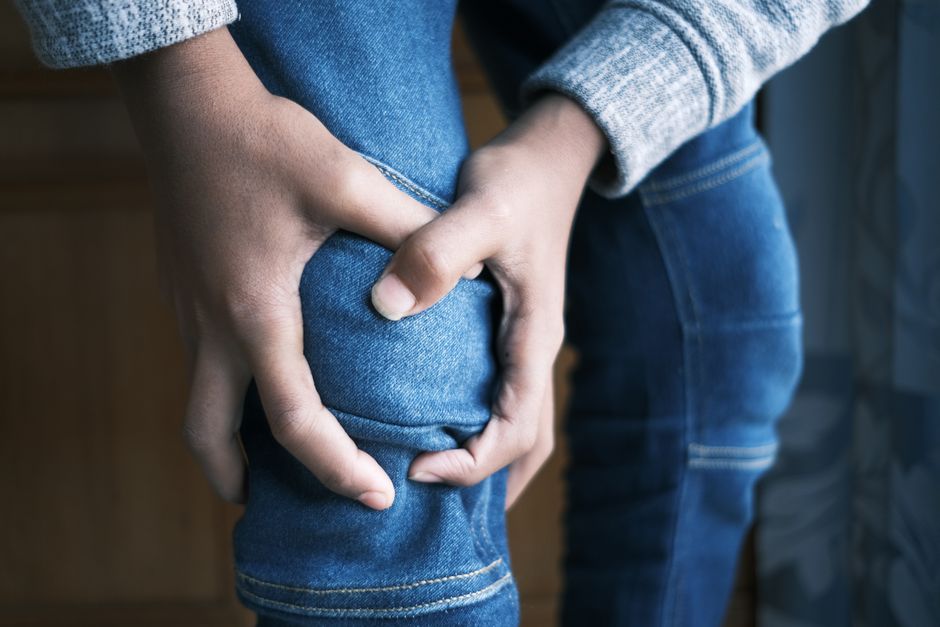
If this type of knee discomfort shows up during daily movement, light support may help reduce strain on the joint while you work on the underlying cause.
See knee support options on AmazonHelpful Next Step
If gentle support helps during recovery, you can check a simple support option that many people use in daily life. If you also experience how to return to household chores after a knee pain flare, the two issues often share the same underlying cause.
This content is for educational purposes only and does not constitute medical advice. Always consult a qualified healthcare professional for diagnosis and treatment.